Carleton Researcher Receives Horizon Europe Funding to Support Global Arctic Observation Efforts
Peter Pulsifer from the Department of Geography and Environmental Studies has been awarded €97,937 through Pillar II of Horizon Europe, the European Union’s flagship program for research and innovation, to support enhanced observation in the Arctic.
Peter is the first Carleton researcher to receive funding through Horizon Europe, for which Canada was named an associated country in 2024.
His work is instrumental to the transdisciplinary Beyond Arctic PASSION project, a larger €8.4 million investment by the European Commission, plus contributions from partner organizations.
Beyond Arctic PASSION is made up of 34 partners around the world, including UK Research and Innovation, the Alfred Wegener Institute (Germany), the Norwegian Meteorological Institute, the Inuit Circumpolar Council and the Arctic Institute of North America at the University of Calgary.
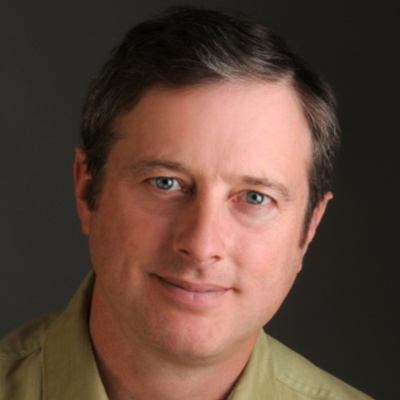
“Carleton’s success in the Horizon Europe program is a testament to the critical role the university can play in large international collaborations, as well as northern and sustainability research,” said Rafik Goubran, Office of the Vice-President (Research, Innovation and International).
Improving Arctic Observation
Climate change has led to significant environmental, societal and economic impacts, particularly in the Arctic region, highlighting the need for better observation efforts.
Decades of work have established a dynamic network of satellites, sensors, data infrastructures and community-based monitoring programs, but gaps still persist due to a number of challenges, including inconsistent investment in and coordination of the observing assets that generate the data, as well as diverse data formats, fragmented repositories, and varied documentation and management standards.
Recognized as a global priority, Beyond Arctic PASSION’s goal is to accelerate the implementation of an integrated, sustainable and inclusive Arctic Observing System of Systems (AOSS).
Combining cutting-edge science, advanced technologies, transparent governance and diverse knowledge, this enhanced system will deliver accessible and interoperable observations and global data sharing infrastructure to improve our understanding and management of current and future Arctic challenges.
Integrated Data and Inclusivity
Peter Pulsifer, alongside Christy Caudill, Senior Research Associate with the Geomatics and Cartographic Research Centre (GCRC) at Carleton, will support several components of the project.
Primarily, they will help transform existing data management systems into a resilient and innovative unified system to address the issues posed by fragmentation. This will lead to better integration in Arctic, polar and European data spaces, enhance the useability and effectiveness of the data, and ensure compliance across international regulations.
Peter and Christy are also helping build an inclusive and equitable initiative that truly represents a diverse range of user groups, decision makers and disciplines, such as Indigenous and local communities, as well as scientific knowledge in Arctic observation, research and governance.
As a result, this harmonized and adaptable system will produce trusted and more relevant data for environmental policy development.
Building on Success
Beyond Arctic PASSION is founded on the partnerships and expertise of the H2020 Arctic PASSION project, which is praised throughout the international polar community for having advanced European and global Arctic observing.
Despite not being a full Horizon Europe partner at the time, GCRC formally participated through matching New Frontiers in Research Fund funding made available to Canadian researchers.
“We have worked with our European partners on a wide range of different international projects since 2006,” said Peter Pulsifer. “This history of collaboration has led to success over many years. We’re grateful to be part of this network and to contribute to the advancing of such an important global initiative.”
See related research news: