Research Achievement Awards
The Carleton University Research Achievement Awards, administered by the Office of the Vice-President (Research, Innovation and International), recognize outstanding research achievements.
The awards were established in 1989 to enhance research quality and recognize research excellence. The recipients’ terms run from May to April after an announcement each spring.
Be sure to also view the Office of the Provost and Vice-President (Academic)‘s Teaching Awards, awarded at the same time.
2026 Recipients
Congratulations to this year’s recipients!
Research Achievement Awards
Barbara Leckie, Department of English Language and Literature
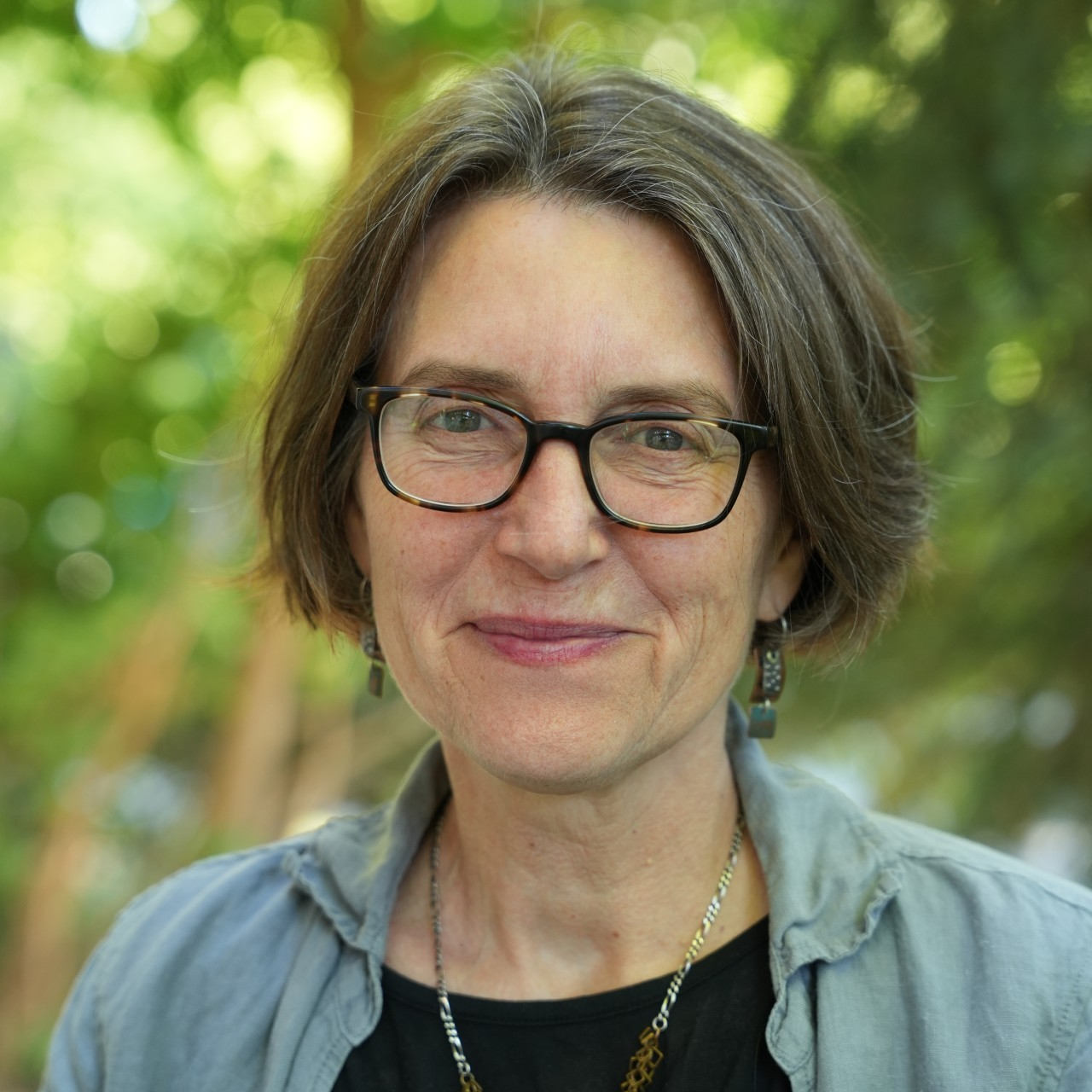
Professor Barbara Leckie’s research focuses on the relationship between representation and social change. Spanning the long-nineteenth century to contemporary culture, her books have addressed print censorship, sexuality, housing for the poor, and climate change among other contested social and political issues. Her most recent book, Climate Change, Interrupted: Representation and the Remaking of Time illustrates the limits of exposé narrations and warnings in climate communication. Her co-created SSHRC-funded podcast, Commons Sense: Reclaiming Common Sense for a Livable Future, addresses climate change via new ideas of the commons. Prof. Leckie is a founding member of the Climate Commons and an academic director of Re.Climate: Centre for Climate Communication and Engagement.
Marina Milyavskaya, Department of Psychology
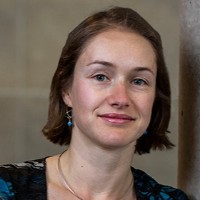
Professor Marina Milyavskaya is at the forefront of self-regulation and goal pursuit research. In the ten years since joining Carleton, she has published extensively, including in some of the most prestigious journals in her field such as Nature Communication and Journal of Personality and Social Psychology. She has held funding from SSHRC, CIHR, the Canada Foundation for Innovation, the provincial government and the Ontario Mental Health Foundation and has received early career awards from multiple scholarly associations. She regularly presents her research to both academic and non-academic audiences around the world, and collaborates with industry and non-profits.
Manuella Vincter, Department of Physics
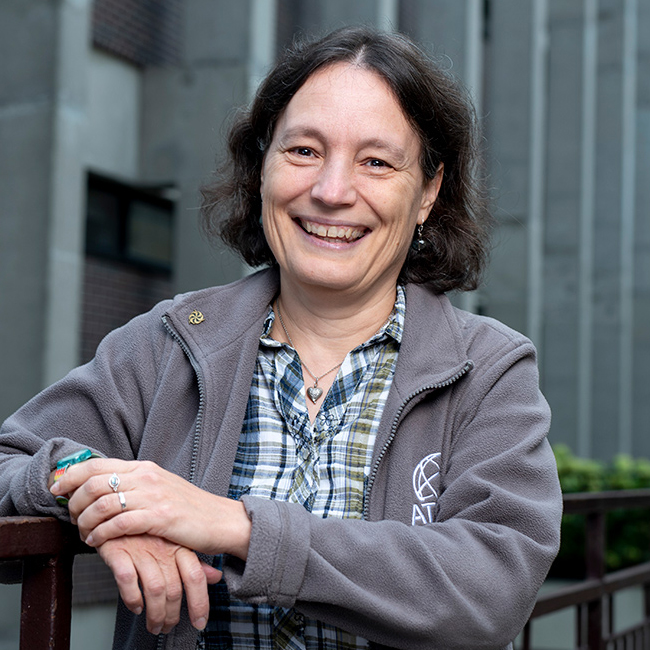
In 2012, the ATLAS Collaboration at CERN’s Large Hadron Collider announced the discovery of the Higgs boson, a fundamental particle that explains how matter acquires mass. Data collected between 2015 and 2018 have since yielded a wealth of insights, resulting in a large body of publications detailing its properties. Professor Manuella Vincter was the ATLAS deputy spokesperson during the period of exploitation of this dataset, and in 2025, ATLAS won the Breakthrough Prize in Fundamental Physics. Prof. Vincter also co-edited a landmark paper, published in the high-impact Physical Review Letters journal, reporting the first evidence of the Higgs boson decaying to two muons (subatomic particles).
William Walters, Department of Political Science and Department of Sociology & Anthropology
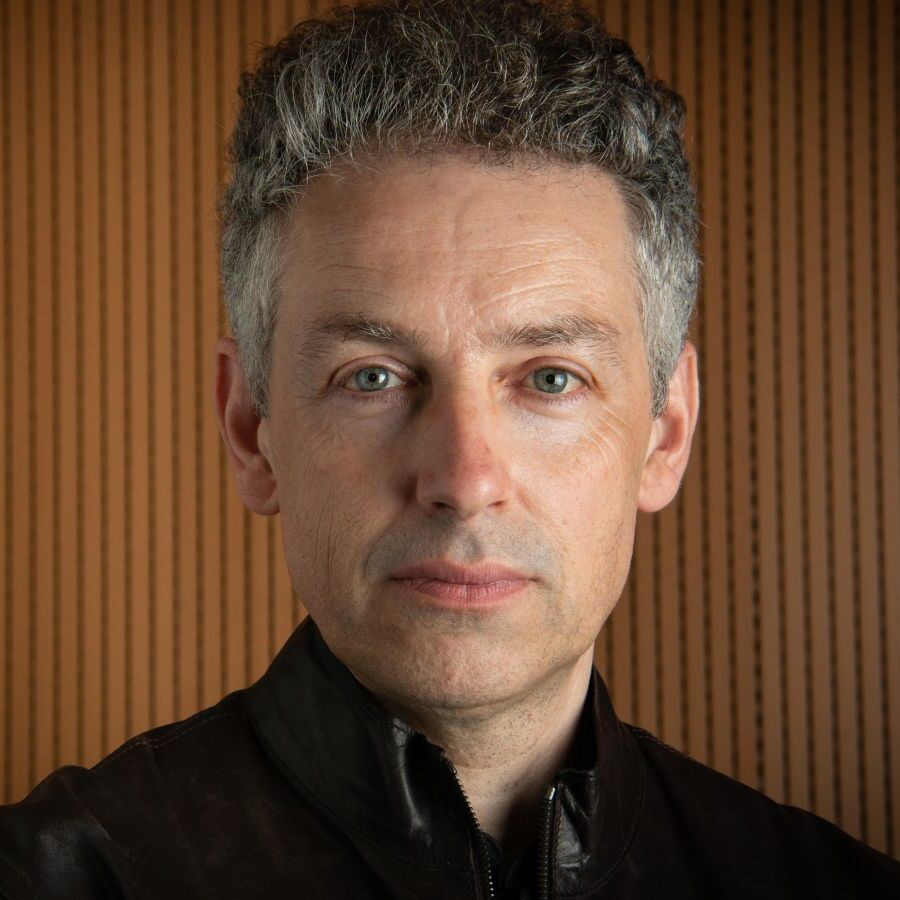
Chancellor’s Professor William Walters is a globally recognized expert in the areas of borders and migration, Foucault studies, international political sociology and critical security research. In 2023 and 2024, he was listed as a top 2% most-cited scientist in the world by Elsevier/Stanford’s authoritative ranking. Throughout the past decade, he played a leading role in the development of secrecy studies as a new interdisciplinary field. Prof. Walters’ contributions have been recognized with a visiting professorship in the UK and a research post at the prestigious Institute for Advanced Studies in Amsterdam. His academic works have been translated on 17 occasions into nine different languages.
Winnie Ye, Department of Electronics
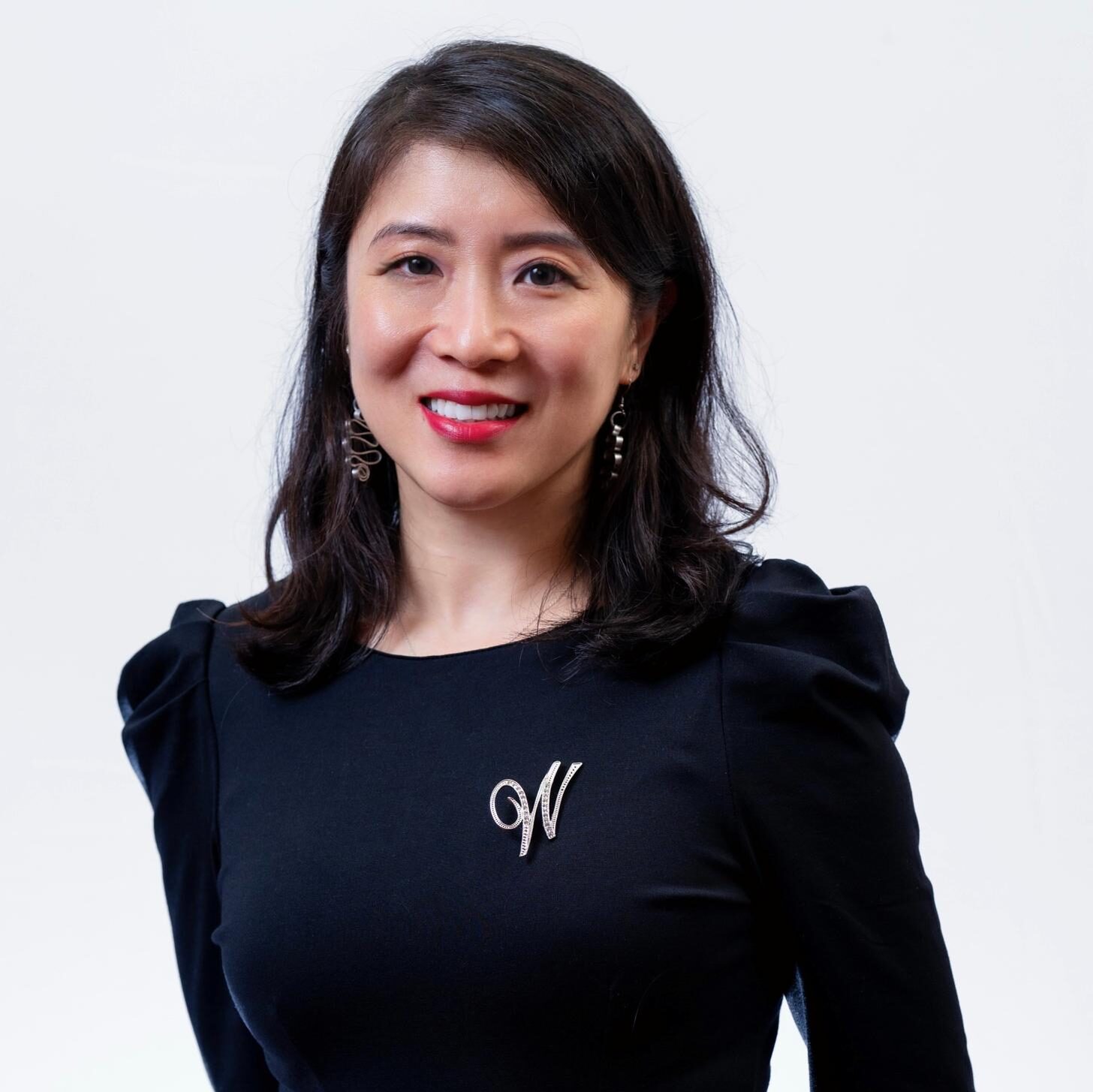
Professor Winnie Ye is a leading researcher in silicon photonics, advancing the frontiers of communication and sensing technologies. A Fellow of Optica, the Canadian Academy of Engineering and the Engineering Institute of Canada, she oversees one of Canada’s foremost integrated photonics research programs. Her work in nanoscale optical design and chip stability enables more energy-efficient data transmission and compact, accurate sensing systems with applications in high-speed communications, satellite networks and medical diagnostics. Her research attracts significant funding and an international reputation through widely cited publications and leadership in the field. Through her mentorship, she has prepared the next generation of researchers and industry innovators who are advancing photonics across sectors.
Research Award — Seed Funding
Peter Crockford, Department of Earth Sciences
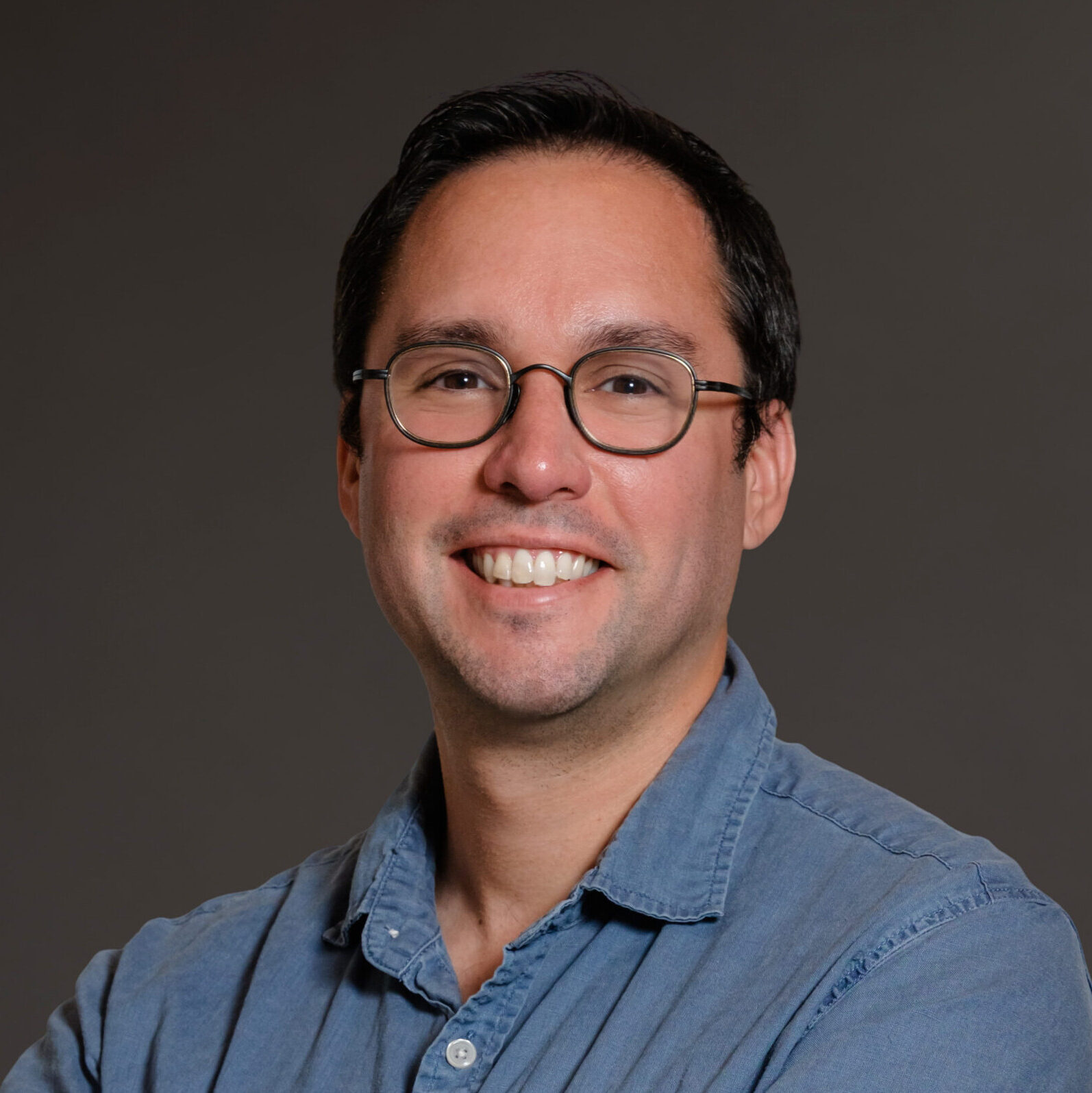
Tracking Narwhal Dietary Responses to Environmental Change Using Stable Strontium Isotopes
Rapid sea-ice loss in the Canadian Arctic is transforming marine mammal ecology, disrupting long-standing patterns of movement and access to food, with implications for health, behaviour and survival. Despite this importance, long-term records are scarce. Because their tusks grow in annual bands, narwhals are a powerful natural archive for investigating ecological change. As a result, Professor Peter Crockford is developing a novel isotope-based dietary proxy and aligning it with existing geolocation frameworks, sea-ice histories and Indigenous knowledge to provide key insights into the multi-decadal shifts in narwhal dietary strategies. His work will help anticipate future ecological change and support Indigenous-led conservation.
Leanne Keddie, Sprott School of Business
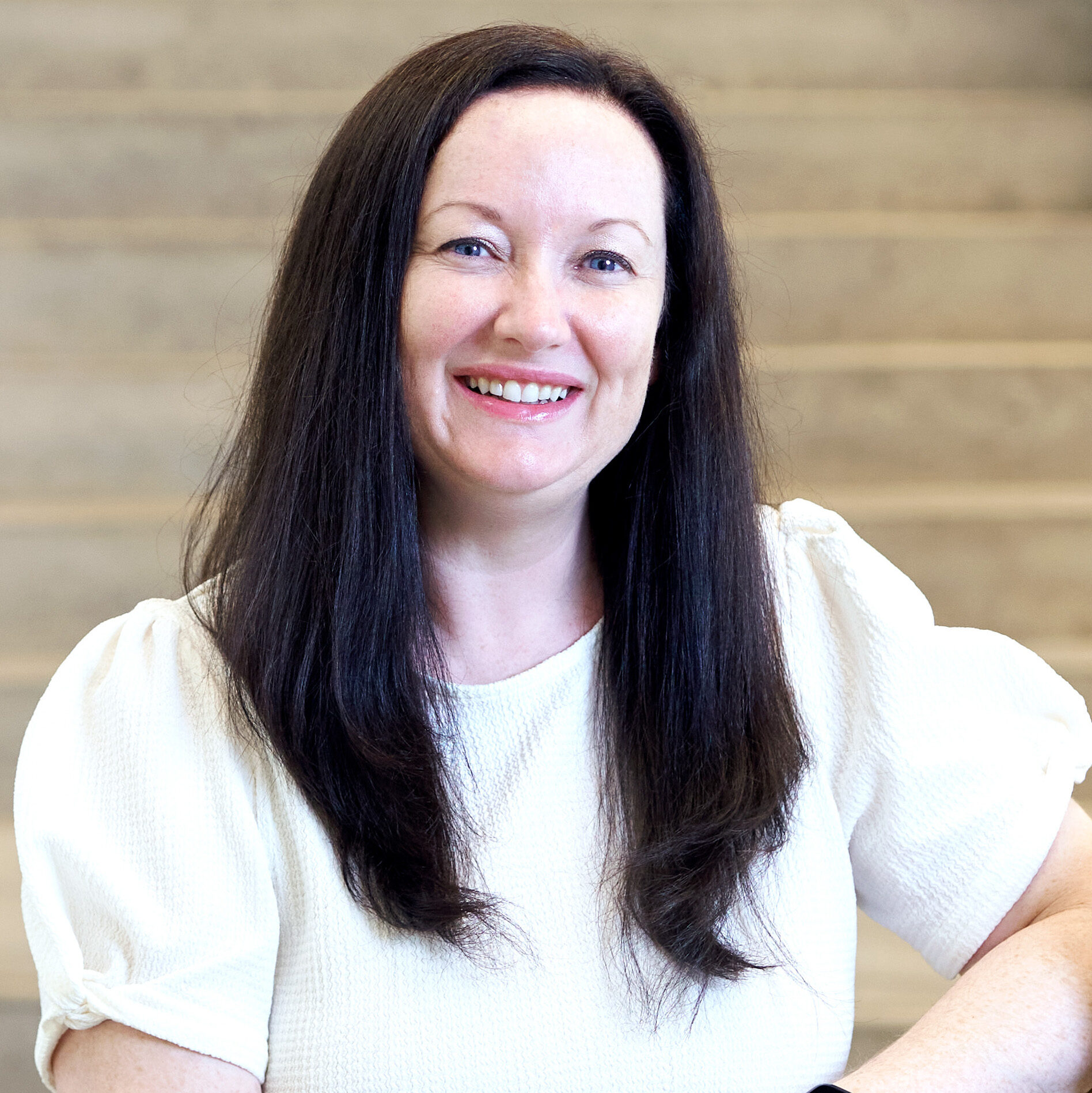
Professor Leanne Keddie’s research examines how corporate board committees influence the effectiveness of social and environmental incentives in compensation plans. As large firms are being held increasingly accountable amid critical global challenges, strong incentives are essential to ensuring sustainability efforts are substantive rather than symbolic. Prof. Keddie’s study aims to advance our understanding of how cross-pollination between board committees can enhance incentive-setting practices. Utilizing machine learning techniques to analyze publicly available compensation data, her findings will inform pay setting practices, while also supporting the integration of sustainability into corporate leadership strategies that align with pressing societal demands.
Sangeeta Murugkar, Department of Physics
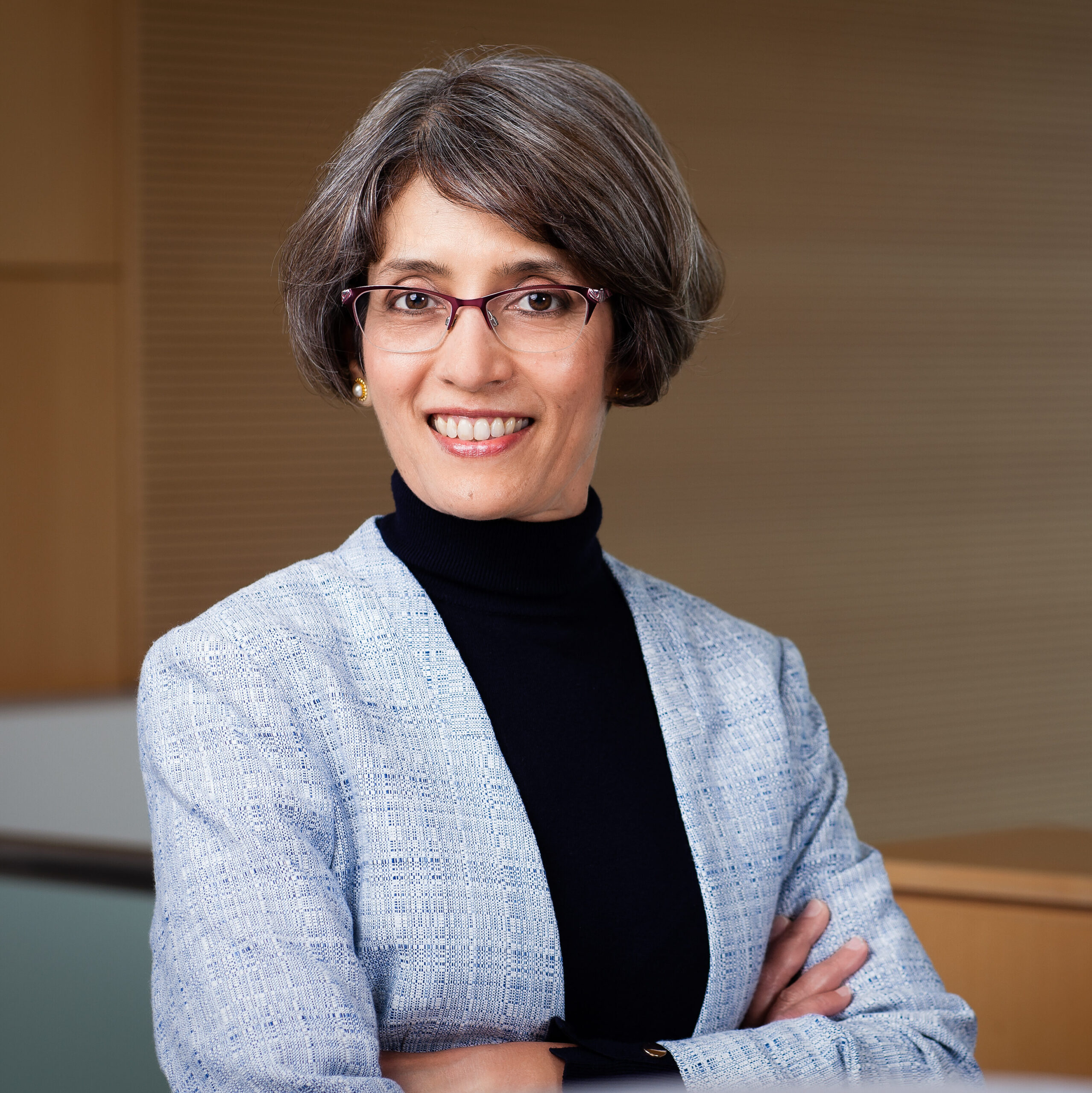
Quantitative analysis of cancer margins in fluorescence-guided brain surgery
Fluorescence-guided surgery is a powerful intraoperative tool used in brain cancer surgery to achieve maximal resection of cancer tissue while preserving essential brain functions and patient performance. However, surgeons currently rely on visual inspection of the brightness in the fluorescence microscopy images that involves qualitative and subjective analyses. Professor Sangeeta Murugkar’s multidisciplinary collaborative project aims to develop real-time quantitative analysis of cancer margins in fluorescence microscopy images of patient tissue. This will enhance the extent and precision of tumor resection, leading to improved patient survival and quality of life.
Carlos Rossa, Department of Systems and Computer Engineering
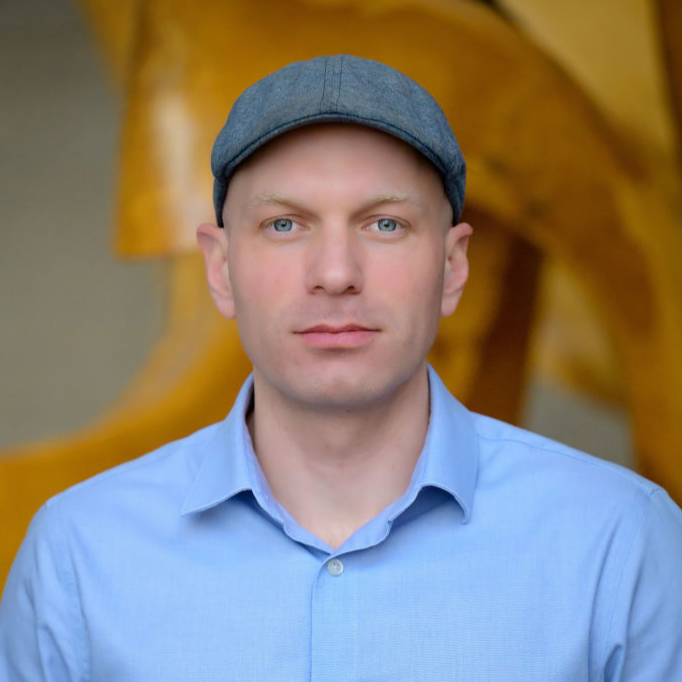
Transforming Paediatric Surgery Education in the Era of AI: A Pan-Canadian Multicentre Study
Professor Carlos Rossa is addressing the urgent need for improved paediatric laparoscopy (PdL) surgical education. Over 80% of abdominal interventions in children are minimally invasive, yet the absence of structured laparoscopy training for this age group greatly increases the risk of complications. Bringing together Carleton researchers and paediatric surgeons from across Canada, Prof. Rossa’s interdisciplinary team aims to develop the first-ever AI-powered PdL simulator. The system will learn from leading experts and deliver personalized, actionable feedback to learners, enabling unlimited high-quality training. By strengthening surgical skills, this project will improve outcomes in children who undergo these procedures.
Jesse Stewart, School for Studies in Art and Culture
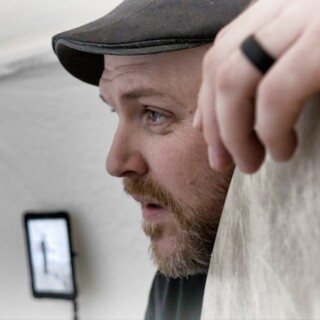
Sikuk Inggijuk (Ice Sings)
Professor Jesse Stewart and world-renowned Inuk classical singer, Deantha Edmunds, will generate new knowledge through the co-creation of a musical composition, performance, audio recording and film. Combining vocals sung in Inuktitut and English with instruments made of ice, the project explores the sonic, cultural and environmental resonances of ice as both material and metaphor. The project will also engage Ottawa’s Inuit community, the largest urban Inuit population in the world. By bringing together Inuit and Western musical traditions through a truly co-creative process, this project will advance Carleton’s leadership in the areas of research-creation, intercultural collaboration and community-engaged scholarship.
Past Award Winners
See recipients from each year of the awards:
2025
- Joe Bennett, Biology
- Catherine Cullingham, Biology
- Megan Gaucher, Law and Legal Studies
- Shulabh Gupta, Electronics
- Amrita Hari, Feminist Institute of Social Transformation
- Laura Macdonald, Political Science
- Banu Örmeci, Civil and Environmental Engineering
- Fateme Rajabiyazdi, Systems and Computer Engineering
- Nassim Tabri, Psychology
- Stelios Zyglidopoulos, Sprott School of Business
2024
- Kyle Biggar, Biochemistry
- Scott Bucking, Civil and Environmental Engineering
- Francine Darroch, Health Sciences
- Christina Gabriel, Political Science
- Andrew Harris, Mechanical and Aerospace Engineering
- Abid Hussain, Civil and Environmental Engineering
- Guoliang Frank Jiang, Sprott School of Business
- Azar Masoumi, Sociology and Anthropology
- Stéfy McKnight, Journalism and Communication
- Murray Richardson, Geography and Environmental Studies
2023
- Adrian Chan, Department of Systems and Computer Engineering
- Kristin Connor, Department of Health Sciences
- Steven Cooke, Institute of Environmental and Interdisciplinary Science & Department of Biology
- Linda Duxbury, Sprott School of Business
- Jennifer Evans, Department of History
- Kelly Fritsch, Department of Sociology and Anthropology
- Liam O’Brien, Department of Civil and Environmental Engineering
- Carlos Rossa, Department of Systems and Computer Engineering
- Stephan Schott, School of Public Policy and Administration
- Erin Tolley, Department of Political Science
2022
- Mohamed Al Guindy, Sprott School of Business
- John Anderson, Department of Cognitive Science
- Jenny Bruin, Department of Biology
- Rachel Burns, Department of Psychology
- Matthew Johnson, Department of Mechanical and Aerospace Engineering
- Heath MacMillan, Department of Biology
- Ashraf Matrawy, School of Information Technology
- Leila Mostaço-Guidolin, Department of Systems and Computer Engineering
- Dipto Sarkar, Geography and Environmental Studies
- Paul Villeneuve, School of Mathematics and Statistics, Department of Health Sciences, and Department of Neuroscience
2021
- Prosenjit Bose, School of Computer Science
- Sonia Chiasson, School of Computer Science
- Cynthia Cruickshank, Department of Mechanical and Aerospace Engineering
- Laura Horak, School for Studies in Art and Culture: Film Studies
- Andrea Howard, Department of Psychology
- Victoria McArthur, School of Journalism and Communication
- Jeffrey Monaghan, Institute of Criminology and Criminal Justice
- Isaac Otchere, Sprott School of Business
- Hongyu Sun, Department of Neuroscience
- Richard Yu, School of Information Technology
2020
- Andy Adler, Department of Systems and Computer Engineering
- Patricia Ballamingie, Department of Geography and Environmental Studies
- Doris Buss, Department of Law and Legal Studies
- Michael Hildebrand, Department of Neuroscience
- Hashmat Khan, Department of Economics
- Uma Kumar, Sprott School of Business
- Hillary Maddin, Department of Earth Sciences
- Johanna Peetz, Department of Psychology
- Oren Petel, Department of Mechanical and Aerospace Engineering
- Steve Ulrich, Department of Mechanical and Aerospace Engineering